Crown thinning in Bethnal Green for healthier, safer, better-looking trees
If you are looking for crown thinning in Bethnal Green, you are probably trying to solve a very practical problem: a tree that feels too heavy, too shaded, too wind-catching, or simply not well balanced for the space it grows in. In a busy part of East London, trees need to work alongside homes, gardens, shops, pavements, shared courtyards, and commercial premises. A well-planned crown thinning service can help trees keep their natural shape while allowing more light and air to pass through the canopy.
For local customers in Bethnal Green, this service is often chosen because the tree is healthy but needs subtle work rather than drastic cutting. That might mean reducing the density of a canopy over a terraced garden, improving airflow around a mature tree near a boundary, or creating a safer, more manageable tree above a yard, driveway, or commercial frontage. Done properly, crown thinning should look careful, restrained, and natural.
Whether you are a homeowner, landlord, property manager, facilities team, or business owner, the aim is the same: make the tree work better for the space around it. If you need practical advice, a site visit, or a quote for tree work in Bethnal Green, a local arborist can explain what is possible and what approach suits the tree best.
What crown thinning actually does

Crown thinning is the selective removal of smaller secondary branches throughout the crown of a tree. It is not the same as topping, lopping, or heavy reduction. Instead, it aims to reduce density while keeping the tree’s height, outline, and natural character as intact as possible. The work is usually carried out evenly around the canopy so the result looks balanced and does not leave the tree lopsided.
In straightforward terms, crown thinning can help a tree by improving light penetration, reducing wind resistance, and easing the load on certain limbs. That makes it useful for trees in tighter urban spaces, where branches can become dense due to years of growth, competition for light, or past pruning that encouraged regrowth.
In Bethnal Green, where many properties sit close together and outdoor space is often limited, the benefits are easy to appreciate. A thinner canopy can make a courtyard feel brighter, reduce the feeling of enclosure in a back garden, and help a tree sit more comfortably above a roofline or boundary fence.
Why people in Bethnal Green ask for it
Local customers usually request crown thinning for one or more of these reasons:
- To allow more daylight into a garden, patio, or ground-floor room
- To reduce the impact of wind on a broad or crowded canopy
- To improve clearance above paths, parking spaces, and entrances
- To lessen the visual bulk of a mature tree without making it look cut back
- To support the long-term condition of a tree that has become over-dense
It is also a sensible option when you want a tidier appearance but do not want to over-prune. Many local customers specifically ask for a solution that keeps the tree attractive while making the space below it easier to use.
Why crown thinning is often the right choice in Bethnal Green
Bethnal Green has a wide mix of property styles, from Victorian and Edwardian terraces to newer apartment buildings, mixed-use premises, schools, small business units, and communal gardens. That variety means trees are often growing in compact, awkward, or highly used spaces. In those conditions, tree care needs to be practical and sensitive to surroundings.
Many trees in the area are close to buildings, boundary walls, alleyways, rear access routes, and shared outdoor areas. Over time, a dense crown can block valuable daylight, create a heavy feel over small gardens, and increase the amount of leaf drop and branch rubbing. Crown thinning helps address these everyday issues without stripping the tree back too harshly.
Local access can also matter. Narrow streets, limited parking, and shared entrances often mean tree work has to be planned carefully. A local team understands how to work around these constraints, organise equipment efficiently, and keep disruption to neighbouring properties as low as possible.
Common local situations where thinning helps
- Rear garden trees shading compact outdoor seating areas
- Overgrown street-facing trees affecting natural light to front rooms
- Mature trees near converted flats and communal courtyards
- Trees overhanging shopfronts, signs, or customer access routes
- Canopies interfering with gutters, roof edges, or upper windows
Good tree work should solve a practical problem and still respect the tree. That balance matters in an area like Bethnal Green, where one tree can affect several properties at once.
What is included in a professional crown thinning service
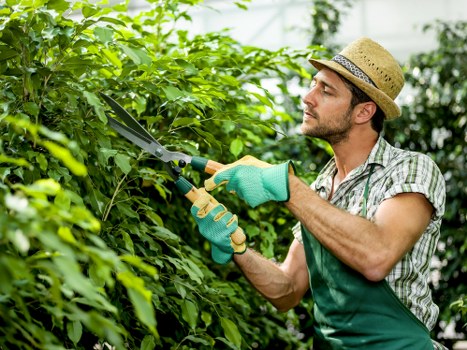
When arranged properly, crown thinning in Bethnal Green should begin with a careful look at the tree, its condition, its species, and the surroundings. The work itself is usually planned to remove selected smaller branches rather than major limbs. The aim is to maintain the tree’s shape and health while achieving a more open, lighter canopy.
A well-run service may include a site assessment, discussion of your goals, advice on whether thinning is suitable, and the pruning work itself. Depending on the tree and the setting, the team may also remove dead, damaged, or crossing growth if it supports the overall result. Once the work is complete, branches and debris are cleared away so the space is left tidy.
For residential and commercial customers, it is useful to know that the service can be tailored. A homeowner may want more daylight into a garden, while a business owner may want a cleaner look and safer clearance near an entrance. The same core technique can be adapted to both settings.
Typical steps in the service
- Inspect the tree and surrounding area
- Discuss the level of thinning needed
- Identify branches to remove with care and balance
- Carry out selective pruning using appropriate arboricultural methods
- Clear cuttings and leave the area tidy
Every tree is different. Species, age, previous pruning, structural condition, and the immediate environment all influence how much thinning is suitable.
What a careful result should look like
The tree should still look natural, with light passing more freely through the crown and wind moving through it more easily. It should not look hacked back or sparsely stripped. The best results are often subtle, especially for mature street or garden trees.
Benefits for homes, gardens, and businesses

For local residents, crown thinning can make everyday life noticeably more comfortable. A brighter garden can become more usable, and rooms that were once heavily shaded may feel less enclosed. If you have a tree near a patio or yard, thinning can improve the atmosphere without removing the character that made you want the tree in the first place.
For landlords and managing agents, the work can help keep external areas more presentable and reduce concerns about branches encroaching on shared spaces. For commercial customers, especially those with frontage trees or landscaped courtyards, the service can improve appearance, visibility, and access while keeping the site professional and welcoming.
One of the main advantages of thinning is restraint. It is often the preferred choice when a tree is valuable or well established, but the canopy has become too dense for the setting. Rather than changing the tree beyond recognition, thinning aims to restore balance and usefulness.
Practical benefits customers often notice
- More daylight reaching gardens, windows, and outdoor seating areas
- Improved air movement through dense branches
- Less sail effect in windy conditions
- Reduced rubbing between crowded branches
- A tidier, lighter appearance without severe reduction
- Better compatibility with nearby buildings and shared spaces
In a dense urban district, those small improvements often make a big difference to how a property feels and functions.
When thinning may be preferable to reduction
If you want to keep the tree’s overall dimensions largely unchanged but need the canopy to feel less bulky, thinning can be the more suitable option. A qualified arborist can explain whether that is true for your tree or whether a different method would be better.
How crown thinning is planned for Bethnal Green properties

Planning matters just as much as the pruning itself. In Bethnal Green, trees may overhang narrow access paths, shared gardens, side returns, or busy service areas. A sensible plan needs to consider access, neighbour boundaries, parking restrictions, overhead obstacles, and the safest way to work around the site.
For terraced homes, the team may need to work carefully in rear gardens with limited access. For flats and managed buildings, there may be shared entrances or communal landscaping to protect. For commercial sites, working hours and keeping disruption low may be important. These are all reasons why local experience is valuable.
A local tree care company also understands that no two jobs are the same. Some trees in the area are young and only need light correction, while others are mature specimens that need more thoughtful work to preserve their structure. A properly tailored approach helps protect the tree while giving you the result you want.
Things a local team will consider
- Tree species and how it responds to pruning
- Previous work and any signs of regrowth or imbalance
- Proximity to windows, roofs, fences, and utility features
- Ground access for ladders, equipment, and debris removal
- Whether the tree serves as screening, shade, or a focal point
Careful planning is especially important where space is tight. Small adjustments made in the right places can achieve a much better outcome than cutting too much from the tree at once.
What affects pricing for crown thinning
Customers often want to know what influences the cost of tree work before they book. While exact prices depend on the specific job, a number of practical factors usually shape the quote. Understanding these helps you compare proposals fairly and choose the right level of service.
Pricing is typically influenced by the tree’s size, height, density, and condition, as well as the complexity of access. A small tree in an open garden is usually simpler to work on than a large mature tree leaning over buildings, fences, or public-facing areas. The amount of waste to be removed can also affect the overall job.
In Bethnal Green, access is often a bigger factor than customers expect. Tight access, restricted parking, shared entrances, and the need to protect nearby property can all add time and planning. That does not mean the work cannot be done efficiently, but it does mean a proper quote should be based on the realities of the site rather than a rough guess.
Common price factors
- Tree size, spread, and density
- Type of tree and how it should be pruned
- Level of access to the working area
- Need for traffic or pedestrian considerations
- Volume of branches and green waste to clear
- Any special site protection required
If you are comparing services, ask what the quote includes, whether clearance is part of it, and how the work will be approached. That makes it easier to choose a local provider that offers real value, not just a quick cut.
What good value looks like
Good value is not simply the cheapest figure. It is the combination of careful workmanship, proper planning, tidy completion, and a result that improves the tree without creating extra problems later. For tree care in a built-up area, that is usually the smartest way to think about it.
Preparing for your tree work visit
There is usually very little you need to do before a crown thinning appointment, but a little preparation can help the work run smoothly. If access is through a shared passage, rear lane, or communal space, it is sensible to ensure it is available on the day. If garden items are close to the tree, moving fragile objects a little way back can also help.
Letting neighbours know can be helpful where the tree sits on or near a boundary. In compact streets and terraces around Bethnal Green, that small step can reduce misunderstandings and make the visit easier for everyone. If the tree is near a parking space or entrance used by others, a quick heads-up is often worth it.
Before the team arrives, a few practical checks can save time. You do not need to do anything complicated, but being ready helps the work move quickly and safely.
Simple preparation checklist
- Clear access to gates, side passages, or rear entry points
- Move vehicles if the tree work affects parking space nearby
- Remove delicate outdoor items from under the canopy
- Keep pets and children away from the working area
- Tell the team about any known issues with the tree
If there are any planning considerations, conservation constraints, or shared ownership questions, raise them early so the service can be scheduled and carried out appropriately.
How to know whether thinning is enough
If your main concern is light, airflow, or a canopy that feels too crowded, thinning may be the right approach. If the tree is also too large, too close to the building, or structurally unbalanced, the arborist may suggest a different or additional form of pruning. Honest advice matters here.
Areas covered around Bethnal Green
A local service is useful because trees in Bethnal Green do not sit in isolation. They are part of streets, estates, courtyards, gardens, retail fronts, schools, and business premises across the surrounding area. Customers often need work carried out in places where access is limited and timing matters.
Nearby locations can include surrounding parts of East London such as Shoreditch, Whitechapel, Stepney, Cambridge Heath, Hackney, and the wider Tower Hamlets area. That local reach helps when a tree sits close to shared boundaries or when properties have similar access patterns and space constraints.
Residential customers often want work done in back gardens, front plots, and communal outdoor areas. Commercial customers may need tree maintenance around entrances, car parking, customer walkways, or landscaped external spaces. A local arborist understands how to adapt the job for each setting.
Typical property types served locally
- Terraced homes and compact rear gardens
- Flats with communal courtyards or shared green space
- Converted buildings with limited access
- Retail and hospitality premises
- Schools, offices, and managed estates
- Private and rental properties with boundary trees
Local knowledge is useful not because every street is the same, but because each one creates its own practical challenges.
Why choose a local company for crown thinning in Bethnal Green
Choosing a local tree care company gives you more than convenience. It means working with people who understand the local streets, access limitations, property layouts, and the way trees interact with the built environment. That awareness can lead to smoother planning and a better result on the day.
A local team is also more likely to understand the value of keeping disruption low. In a busy area, customers appreciate punctual arrival, tidy work, and clear communication about what will happen. That is especially important when the tree sits close to neighbouring homes or business entrances.
Good local service is about practicality, respect, and careful workmanship. When these things are in place, the job is less stressful and the result usually lasts better.
Benefits of choosing local expertise
- Better understanding of compact urban sites
- More suitable advice for mixed residential and commercial settings
- Awareness of common access and parking challenges
- Flexibility for different property types and schedules
- Clearer assessment of what is realistic for the tree and the site
If you are unsure whether crown thinning is right for your tree, a local assessment is the best way to find out. The most useful advice is usually practical, specific, and based on the tree in front of you.
Frequently asked questions
Is crown thinning the same as reducing the size of a tree?
No. Crown thinning mainly reduces the density of the canopy by removing selected smaller branches. It usually does not aim to shorten the tree or drastically change its height.
Will my tree still look natural afterwards?
It should. A good thinning job keeps the overall shape intact and makes the canopy look lighter, not stripped bare. The work should be subtle and balanced.
How much thinning is too much?
That depends on the species, condition, and location of the tree. Over-thinning can weaken appearance and structure, so it is important to use an experienced arborist who understands restraint.
Can thinning help with wind problems?
Yes, often it can. By allowing wind to pass more freely through the canopy, thinning may reduce the strain on the tree compared with a dense, solid crown. However, each tree must be assessed individually.
Is it suitable for small gardens in Bethnal Green?
Very often, yes. In compact spaces, the right level of thinning can make a noticeable difference to light and usability without taking away the tree’s presence.
Do I need permission before the work starts?
Some trees may be protected, or subject to local controls depending on the setting. If there is any doubt, the right step is to check before work begins so everything is handled properly.
Can you work on trees near commercial premises?
Yes. Crown thinning is commonly carried out around shops, offices, managed buildings, and other business properties where appearance, access, and safety all matter.
What to expect from a well-run local service
When you book crown thinning, you should expect a service that starts with listening to your concerns. Maybe you want more daylight. Maybe you need the canopy to feel less heavy. Maybe branches are reaching too far over a roof or creating a cluttered look above a courtyard. The work should be shaped around the actual issue.
You should also expect sensible advice if thinning is not the right answer. A trustworthy arborist will explain if the tree needs a different approach, or if there are restrictions that must be respected. That honesty is part of good service, especially in a place where trees, neighbours, and buildings are all closely connected.
When the work is complete, the area should be left tidy and usable. Branches should be removed, cuttings cleared, and the tree left in a condition that feels improved but still natural. That is the standard local customers should look for.
Signs you have chosen the right team
- They assess the tree before recommending work
- They explain what thinning will and will not do
- They consider access, safety, and neighbours
- They keep the tree looking balanced and healthy
- They leave the site clean and ready to use
If your tree needs attention, now is a good time to act. Over-dense crowns rarely improve on their own, and early pruning can often be simpler than waiting until the tree becomes more difficult to manage.
Book crown thinning in Bethnal Green
If you need crown thinning in Bethnal Green, the best next step is to arrange a visit or request a free quote. A local service can assess the tree, talk through your priorities, and recommend the most suitable way to improve light, airflow, and canopy balance.
Whether the tree is in a private garden, a shared space, a landlord-managed property, or a business frontage, professional tree care can make the site easier to live with and safer to maintain. It is a practical investment in the condition, appearance, and usability of the space around the tree.
Contact us today, request a free quote, or book your service now if you want careful, local tree care from a team that understands Bethnal Green properties and the realities of working in a busy urban area. The right pruning can make a big difference while keeping the tree healthy and attractive for years to come.